Technology & AI
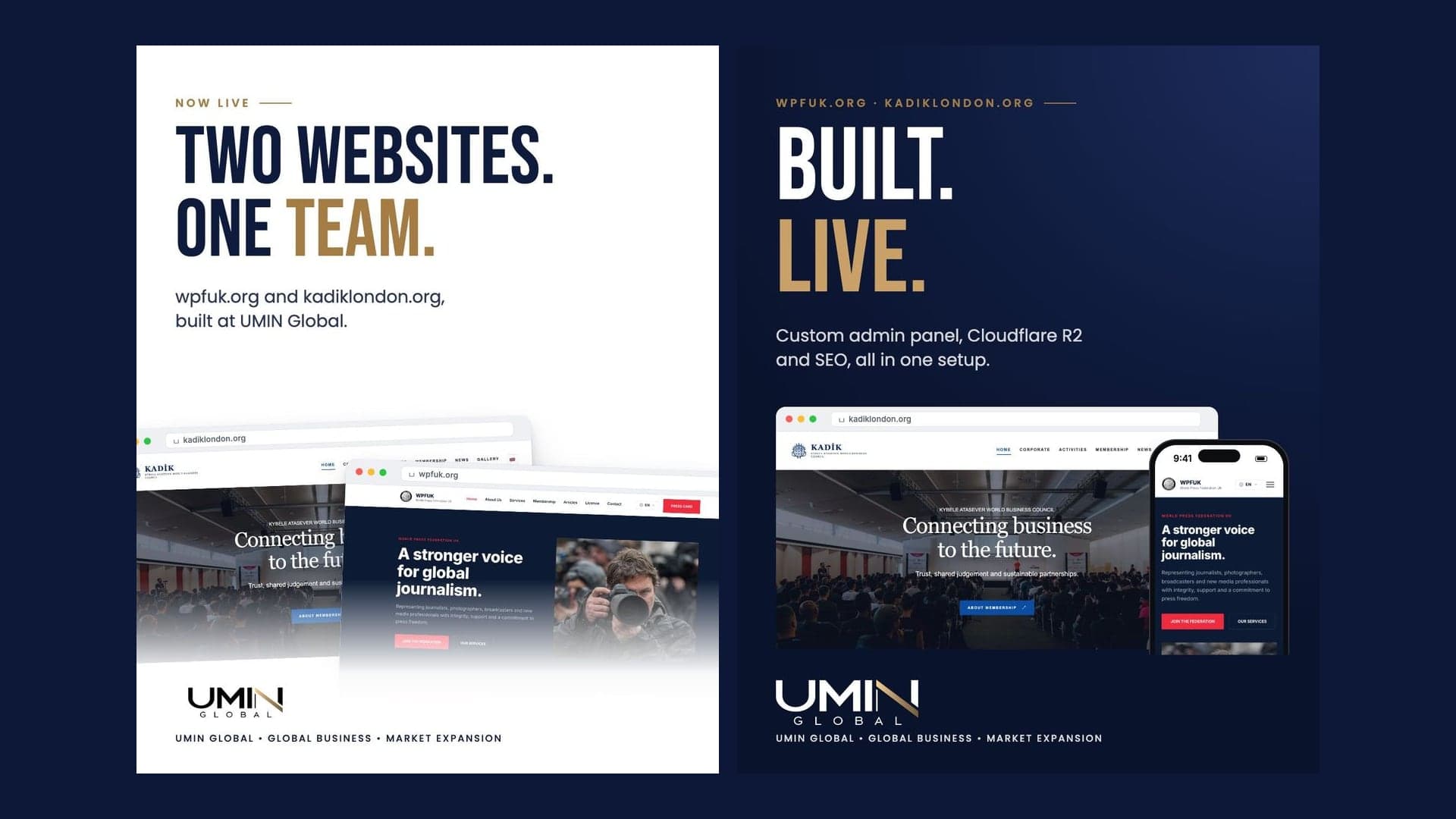
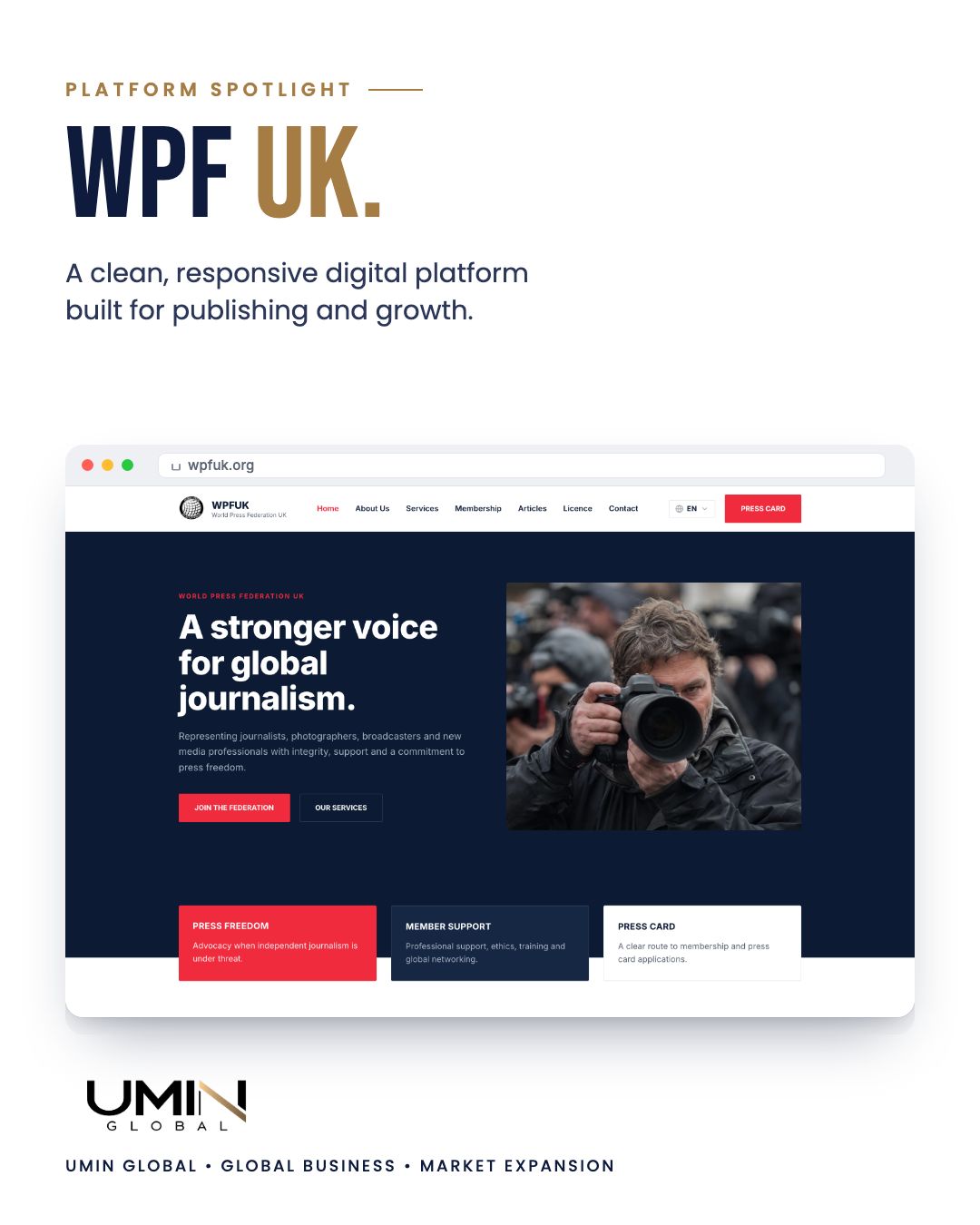
wpfuk.org and kadiklondon.org are live. As CTO at UMIN Global, I owned the software and technology side of both platforms, and I am very pleased with how they came together.
The two sites serve very different organisations. World Press Federation UK represents journalists, photographers, broadcasters and new media professionals, and its site carries membership and press card applications, articles and federation news. KADIK, the Kybele Atasever World Business Council, connects a business community in London and publishes its activities, membership, news and gallery in Turkish and English.
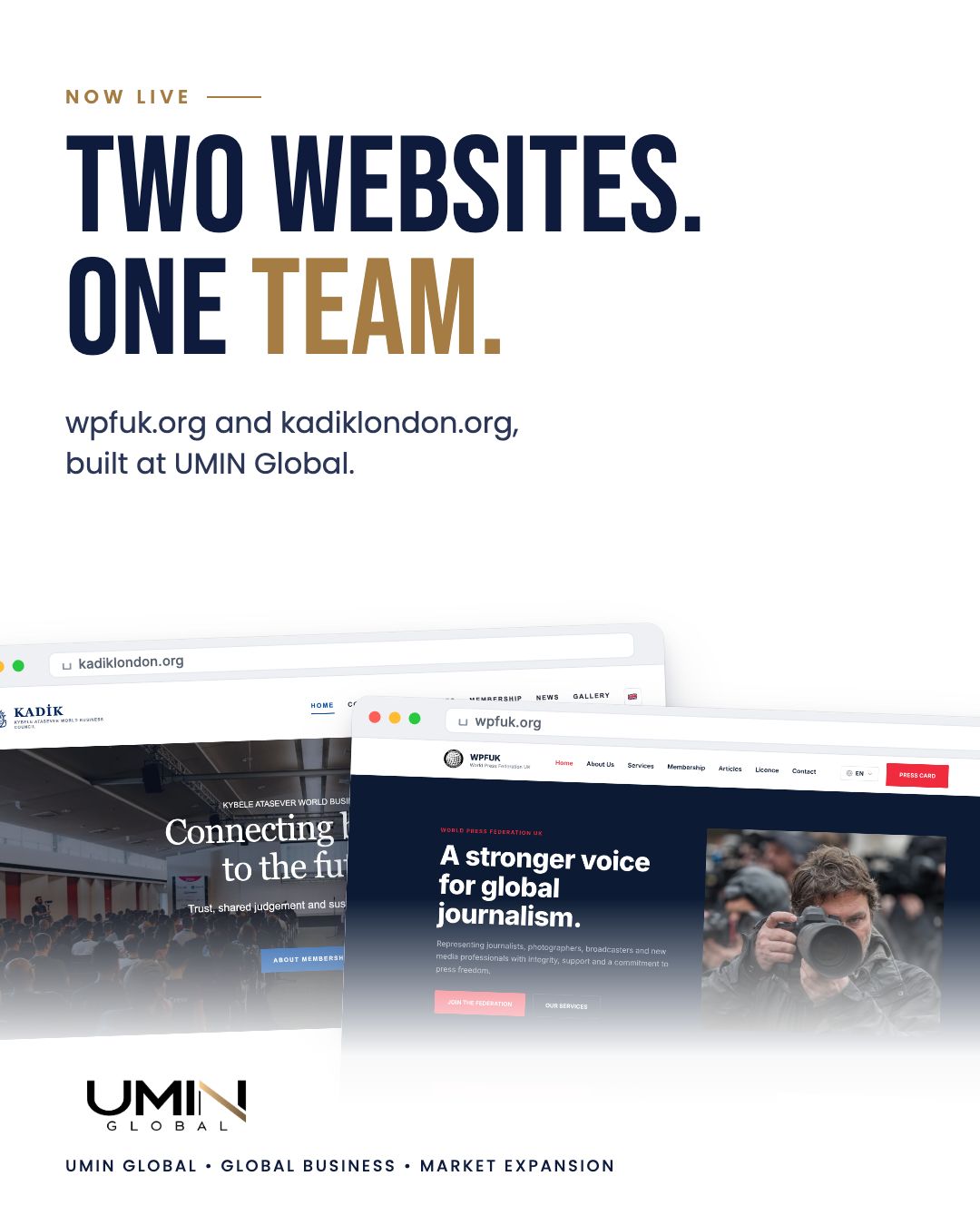
Different audiences, but the same three problems to solve: be found on Google, let each team publish without a developer, and serve images and documents reliably. Those three became the scope.
1. SEO built into the platform, not added after launch
Most websites treat SEO as a plugin or a checklist someone runs after launch. On both platforms it is part of the build itself, so every page an editor publishes is search-ready without anyone having to remember to make it so.
- Server-rendered pages, so search engines read the full content on the first request
- A canonical URL on every page, and an XML sitemap generated from the same data the pages render from
- Structured data (JSON-LD) for the organisation, articles and breadcrumbs
- Titles and meta descriptions editable per page from the admin panel, with sensible defaults when left empty
- Optimised, correctly sized images and clean, readable URLs
- Separate language versions on kadiklondon.org, so Turkish and English pages each rank in their own market
If SEO depends on an editor remembering a checklist, it will be skipped on the busiest week. If it is part of the platform, it is never skipped.
2. A custom admin system each team runs itself
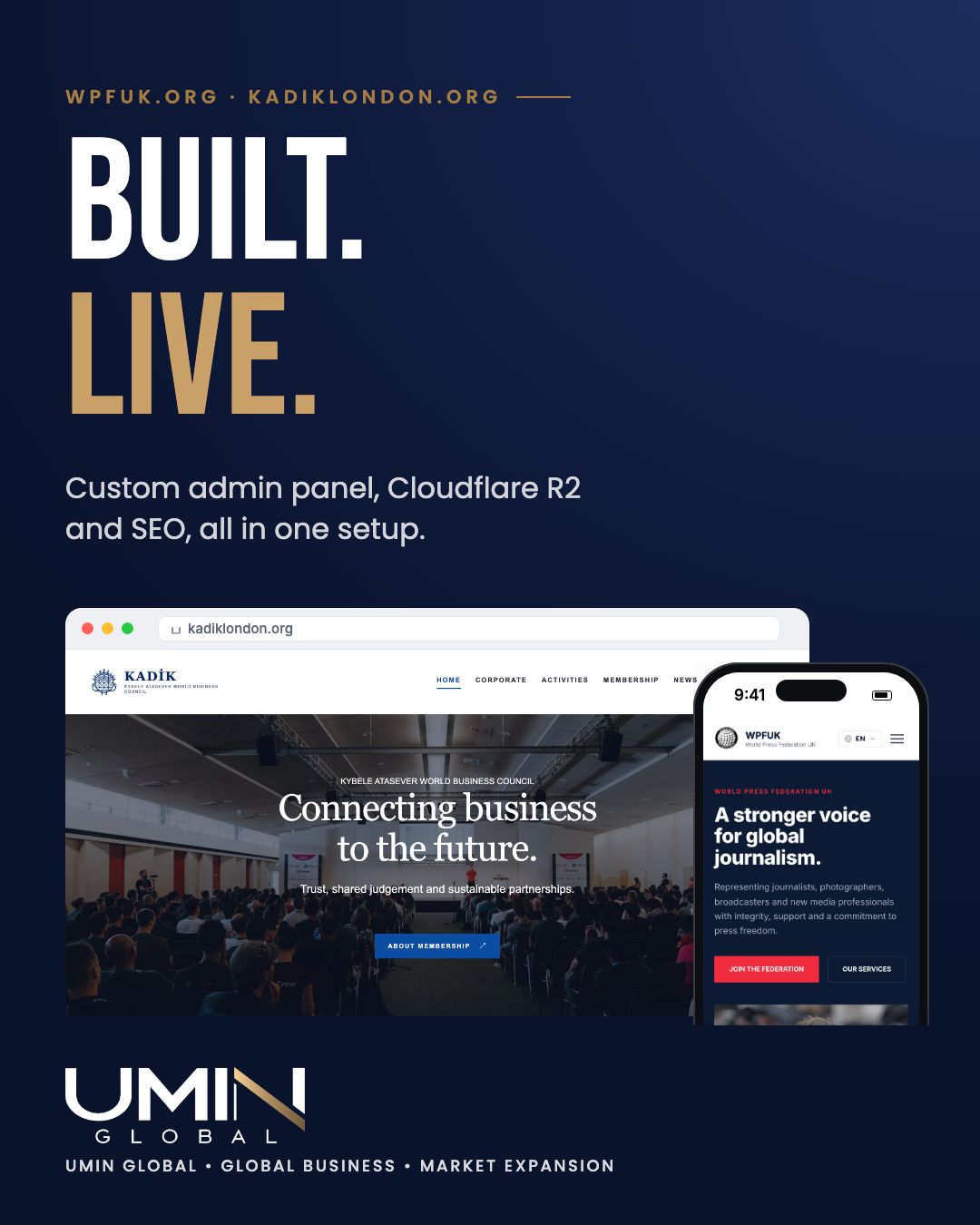
Neither organisation should need to call a developer to publish a news story or update a page. Both platforms ship with a purpose-built admin system rather than a generic CMS bolted on top: editors manage pages, articles, news and media in a structured editor that keeps the design consistent.
The admin is built to the same standard UMIN Global runs its own platforms on:
- Role-based access, so each person sees and edits only what they are responsible for
- Draft and publish states, so work in progress never appears on the live site
- An audit log of every change, and sessions that can be revoked instantly
- Search and social fields next to the content they describe
3. Media infrastructure on Cloudflare R2
Photos are central to both organisations - a press federation and an events-driven business council. Uploads are stored on Cloudflare R2 instead of the web server, so they survive every redeploy, and each file's size, dimensions and checksum are recorded when it is uploaded. Editors pick images from a shared media library instead of uploading the same file twice.
About the developer

I am Muhammet Berat Arslan - Berat Arslan to most people - a software developer and the CTO of UMIN Global. My focus is technical SEO and the platforms behind it: Next.js and PostgreSQL builds, custom admin systems and media infrastructure, designed so a website is found on Google from the day it launches. You can also find me on LinkedIn.
Thank you
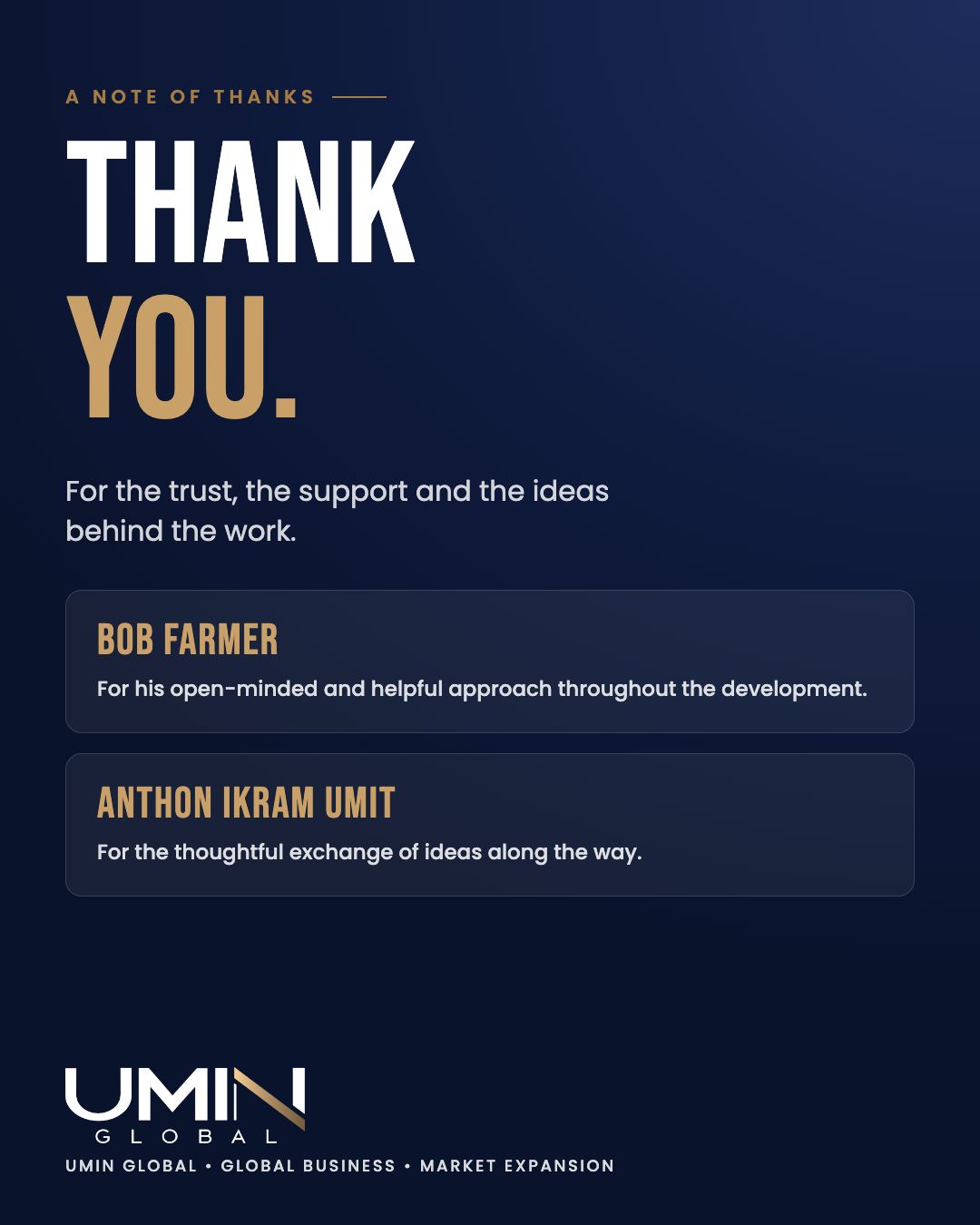
A sincere thank you to Bob Farmer for his open-minded and helpful approach throughout the development process. His willingness to listen, discuss ideas and support the work made our collaboration both productive and enjoyable. I would also like to thank Anthon Ikram Umit for exchanging ideas with me and contributing valuable perspectives along the way.
The launch is complete, but the work continues as we keep improving both platforms. If your organisation needs a website that is built to be found, talk to us - or read the original announcement on LinkedIn.
Related
Written by
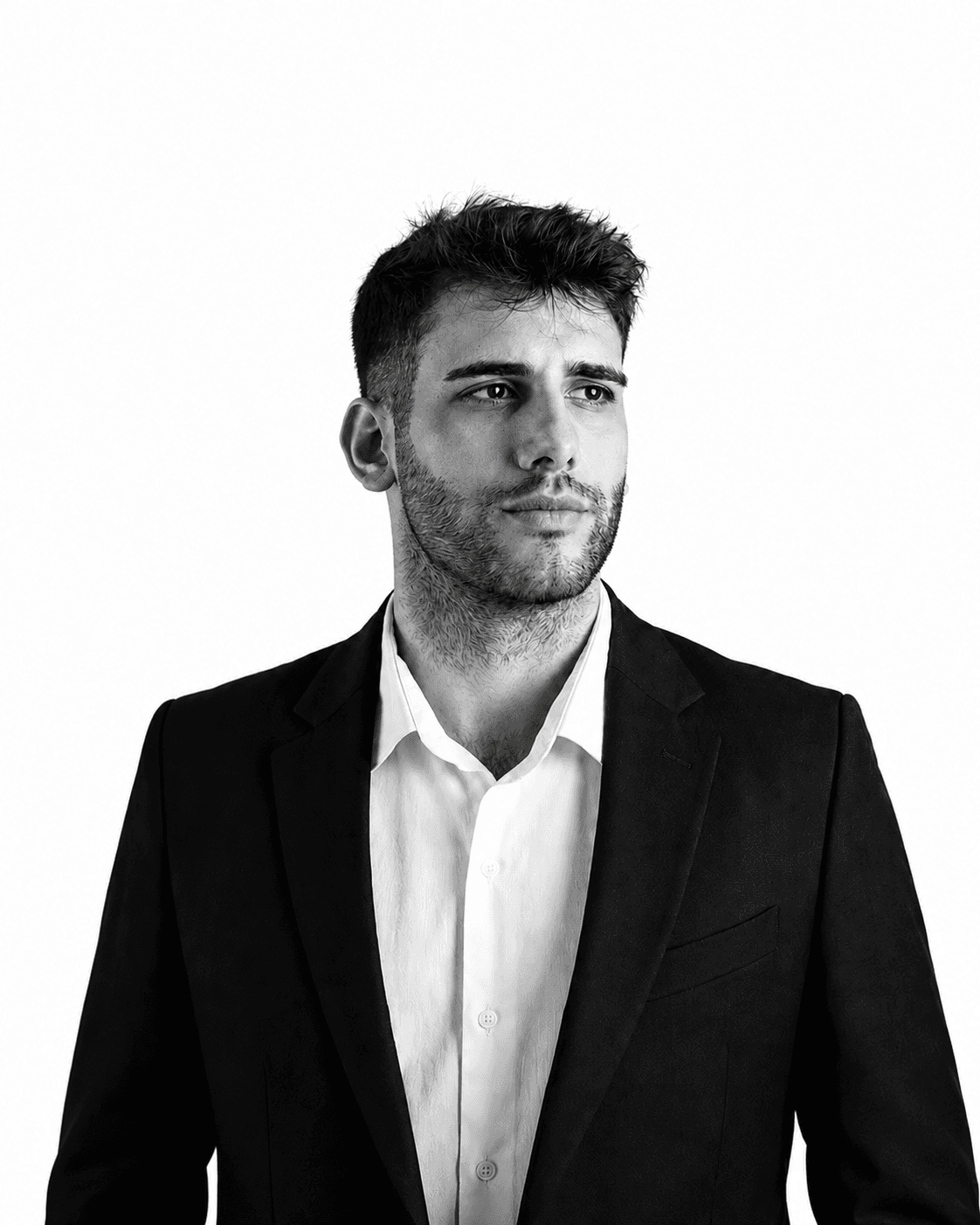
Muhammet Berat ArslanChief Technology Officer, UMIN Global
Software developer and CTO of UMIN Global. Leads architecture, technical SEO, custom admin systems and the AI systems UMIN puts into production.
